Ultrasonic Thickness Gauge Price Explained: A UK Buyer's Guide
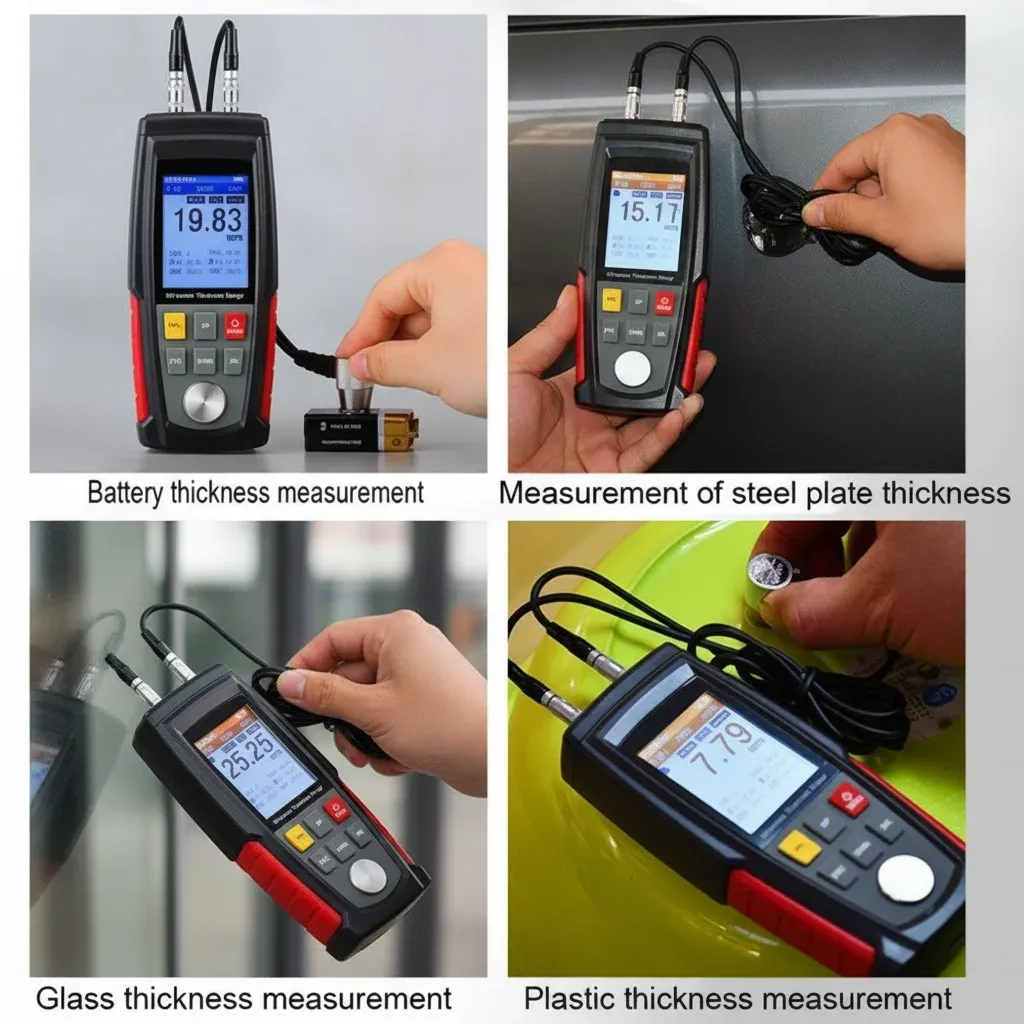
TL;DR: In the UK, ultrasonic thickness gauge price usually varies according to accuracy, probe quality, material compatibility, calibration support and data features. Entry-level models can suit occasional checks, while professional users normally get better value from mid-range or higher-spec gauges that offer more reliable readings, stronger build quality and better long-term support.
Ultrasonic thickness gauge price in the UK depends on what you need it to measure and how dependable the readings must be. In simple terms, lower-cost gauges are often suitable for basic spot checks, whereas higher-priced models are designed for frequent professional inspection work, better repeatability and broader material coverage.
Price is usually the first question buyers ask. However, with an ultrasonic thickness gauge, the better question is: what are you actually paying for? In the UK market, prices can vary sharply between entry-level handheld units and professional instruments built for daily inspection work. That gap is not random. Instead, it reflects differences in accuracy, probe quality, calibration support, material range, data handling and long-term reliability.
For engineers, inspectors and maintenance teams, choosing on price alone often leads to false economy. A cheaper gauge that struggles on coated steel, awkward pipework or repeat measurements can cost more in wasted site time, rework and uncertain results than a properly specified unit from the outset. Based on our testing of professional-grade handheld measurement equipment for UK users, dependable performance under real site conditions matters far more than headline cost alone.
DigitalUltra’s focus is straightforward: professional ultrasonic thickness gauge solutions that deliver accurate, non-destructive measurement for metals, pipes, glass and PVC, built for UK inspectors and engineers.
This guide explains what shapes ultrasonic thickness gauge price in Britain, what typical price bands mean in practical terms, and how to judge value before you buy.
Key Takeaways
- Ultrasonic thickness gauge price in the UK typically reflects accuracy, probe quality, measurement range, material compatibility and data features.
- Budget models may suit occasional checks, while professional users usually benefit from mid-range or higher-spec instruments with better consistency and support.
- Buying the cheapest unit can be a false saving if your work involves inspection records, coated materials, pipe corrosion monitoring or regular field use.
- UK buyers should factor in calibration expectations, after-sales support, VAT treatment and suitability for sector-specific inspection work.
- Before purchasing, compare not only headline cost but also warranty, accessories, replacement probes and ease of use.
How much does an ultrasonic thickness gauge cost in the UK?
An ultrasonic thickness gauge measures material thickness from one side without cutting or damaging the component. As a result, it is widely used for inspecting tanks, pipework, structural steel, pressure vessels, glazing applications and plastic sections where access is limited or destructive testing is impractical.
In the UK, prices generally move in line with intended use. For example, a buyer carrying out occasional workshop checks has very different needs from a contractor producing documented readings on-site across multiple materials. Therefore, the market tends to fall into several clear pricing tiers rather than one universal “normal” cost.
The headline figure also rarely tells the full story. Two gauges can appear similar online yet differ significantly in sensor performance, display clarity, calibration options and repeatability. If your work relies on dependable readings rather than rough estimates, those differences matter.
If you are still comparing broad product categories first, read The Ultimate Guide to Ultrasonic Thickness Gauge For Sale in the UK. It gives wider context before narrowing down to price.
What are the typical ultrasonic thickness gauge price ranges?
What is the price of an entry-level ultrasonic thickness gauge?
At the lower end of the market, ultrasonic thickness gauges are often priced for light-duty use. These units may be suitable for simple spot checks on common metals where surfaces are reasonably clean and geometry is straightforward. Consequently, buyers often choose them for occasional maintenance tasks or educational use.
The attraction is obvious: lower upfront cost. The trade-off can include fewer calibration options, more limited material support and less confidence when measuring corroded surfaces or thinner sections. Build quality may also be lighter than what a field engineer would want for repeated site visits.
How much should you pay for a professional ultrasonic thickness gauge?
This is where many serious UK buyers should focus first. Mid-range instruments usually offer stronger repeatability, better transducers, clearer displays and more reliable everyday operation across metals and selected non-metals such as PVC or glass where supported by specification.
For maintenance teams, building surveyors involved in specialist inspection work and contractors checking pipe wall thickness or plant assets regularly, this bracket often provides the best balance of cost and capability. In other words, you are not simply paying more; you are reducing uncertainty during inspection work.
Why do high-spec industrial ultrasonic thickness gauges cost more?
The upper end of pricing tends to include advanced functionality such as enhanced resolution, wider probe compatibility, through-coating measurement capability on some models, onboard memory or data transfer features. These are designed for frequent professional use where traceability and efficiency matter as much as raw measurement capability.
If your team inspects large asset portfolios or works under stricter reporting expectations, a higher purchase price may be justified very quickly through time saved on site and fewer doubtful readings.
Why can online ultrasonic thickness gauge prices be misleading?
A low list price does not always include everything required to begin proper work. For instance, couplant gel, calibration blocks, spare probes, protective cases and batteries may be absent or only basic quality. In addition, some listings make generous claims without giving enough detail about minimum measurable thickness, accuracy tolerance or operating temperature range.
For that reason, it helps to compare product detail carefully. Our article on buying an ultrasonic thickness gauge online explains what to check before committing to a web purchase.
What affects ultrasonic thickness gauge price?
Does accuracy affect ultrasonic thickness gauge price?
The first major driver is measurement confidence. A gauge used only once every few months may not need advanced capability. By contrast, a gauge used daily to assess corrosion loss or verify remaining wall thickness certainly does. Instruments that maintain consistent readings across repeated tests tend to command higher prices because they reduce doubt during real inspections.
How does probe quality change the price?
The transducer plays a central role in performance. Different frequencies suit different materials and wall thickness ranges. Higher quality probes generally improve signal response and help when surfaces are curved or challenging. If a package includes multiple probe options or supports future upgrades, expect that flexibility to affect price.
Ready to upgrade your NDT toolkit with DigitalUltra?
View Equipment — £138.99